
Health
Men and Menstruation: Bridging the Awareness Gap


By Huzaifa Sani Ilya
Menstruation, a fundamental aspect of human biology, remains one of the most misunderstood and stigmatized natural processes in our society. Too often, it is seen solely as a private concern for women, a view that deepens stigma and fails to recognize the shared responsibility we all have in supporting women’s health and dignity. It’s time to rethink this perspective and understand that menstrual health is not just a women’s issue, but a shared human concern.
A Shared Human Concern
Menstrual health and hygiene should never be viewed as issues that concern women alone. While it is true that women experience menstruation and bear its physical pain, empathy is a universal gift. Every man, born of a woman, shares a connection with women in various roles—whether as sons, brothers, friends, or partners. In many cultures, including Islamic traditions, men are regarded as guardians and protectors of women, supporting them physically, emotionally, and financially.
Why, then, should men not also be involved in alleviating the challenges women face during menstruation? Menstruation is a natural and essential process in a woman’s life, and while women endure the physical discomforts, men too experience the emotional and social impacts of this process. Yet, many of the hardships women face are rooted in cultural neglect, lack of awareness, and insufficient education, especially in rural communities.
This gap in awareness often results in menstruation being surrounded by stigma, misinformation, and silence. It’s time to break this silence. Men must come together to support women by understanding the menstrual process and promoting better hygiene practices. Only through education can we create a stigma-free environment where open discussions about menstruation are normalized.
Understanding the Basics of Menstruation
At its core, menstruation is the shedding of the uterine lining, a natural and healthy sign that the body is functioning normally and preparing for pregnancy. Menstruation typically lasts between three and seven days, occurring roughly every 28 days. However, this varies from person to person and can be influenced by factors such as age, health, and lifestyle.
Despite its naturalness, menstruation is often misunderstood and misrepresented. In many cultures, menstruating women are treated as impure, isolated, or even ostracized. For instance, some men refuse to eat food prepared by their wives during menstruation, a practice based on outdated and harmful beliefs. In countries like Nigeria, such stigmas are pervasive, especially in rural areas, where young girls are sometimes married off as soon as they begin menstruating, regardless of their age or readiness. This tragic practice denies them an education, stunts their personal growth, and limits their opportunities to contribute to society.
Breaking Myths Through Awareness
Thankfully, initiatives like PSI Nigeria are making significant strides in addressing menstrual health. These organizations are working to raise awareness in rural communities, helping both men and women gain a better understanding of menstruation and its significance. However, much more needs to be done, especially in areas where cultural taboos continue to limit open dialogue.
Education is key. Girls must be educated on what constitutes a normal menstrual cycle, which typically occurs every 21 to 35 days with bleeding lasting between three to seven days. They must also learn to recognize abnormal signs—such as heavy bleeding, severe cramps, or unusual discharge—that may indicate health problems. Without open discussions, many girls cannot identify these warning signs, and the conditions often go untreated, leading to infections or more severe health complications.
Awareness also provides practical knowledge on how to manage common menstrual discomforts like cramps, bloating, and mood swings. Unfortunately, many parents, especially in conservative cultures, are too shy to discuss menstruation with their children, and as a result, girls often face challenges in understanding their bodies. This silence perpetuates stigma and hinders healthy development. For societal change to occur, we must address these gaps and create an informed, compassionate society that encourages open communication about menstrual health.
Towards a Healthier Future: Modern Solutions and Education
With the world rapidly evolving, so too have the tools available for menstrual hygiene. In the past, women often had to rely on unsanitary materials that could lead to infections or other health issues. Today, however, thanks to advances in science and technology, sanitary products are safer, more hygienic, and more easily accessible.
Access to these products is vital. Menstrual health is an essential part of overall well-being, and every woman and girl should be empowered with the knowledge and resources to manage it. An open, stigma-free conversation about menstruation is crucial for raising awareness, dispelling myths, and creating healthier, more inclusive communities.
The Shared Responsibility: Men and Women Together
Breaking the silence on menstruation is not only a women’s issue—it is a human responsibility. Men and women must work together to create a society where menstruation is understood, respected, and treated with the dignity it deserves. When we normalize conversations about menstrual health, we begin to dismantle centuries of stigma, shame, and silence that have hindered girls and women from living freely.
Every girl deserves the right to education, and no girl should miss school simply because she cannot afford sanitary products or feels embarrassed about her period. No woman should be made to feel unclean or unworthy because of menstruation.
Governments, schools, religious leaders, and communities all have a crucial role to play. Policies that ensure girls, especially in rural areas, have access to sanitary products should be prioritized. Schools must incorporate menstrual health education into their curricula, and parents must engage in open and honest discussions with their children. Additionally, religious leaders should use their influence to correct misconceptions and promote a more understanding approach to menstruation.
Menstrual Health as a Matter of Public Health and Social Justice
Menstrual health is not just a private issue but a public health concern, with far-reaching implications for education, social justice, and equity. By fostering empathy, promoting awareness, and ensuring equal access to hygiene products, we can build a society where every woman and girl can live with confidence and dignity, free from stigma and discrimination.
As we work toward a world that respects menstrual health, we lay the groundwork for a future where girls and women are no longer marginalized because of a natural, biological process. Together, we can create a society where menstruation is not only understood but embraced as a vital part of every woman’s life.
Huzaifa Sani Ilyas writes from Kano
huzaifasaniilyas@gmail.com
About The Author






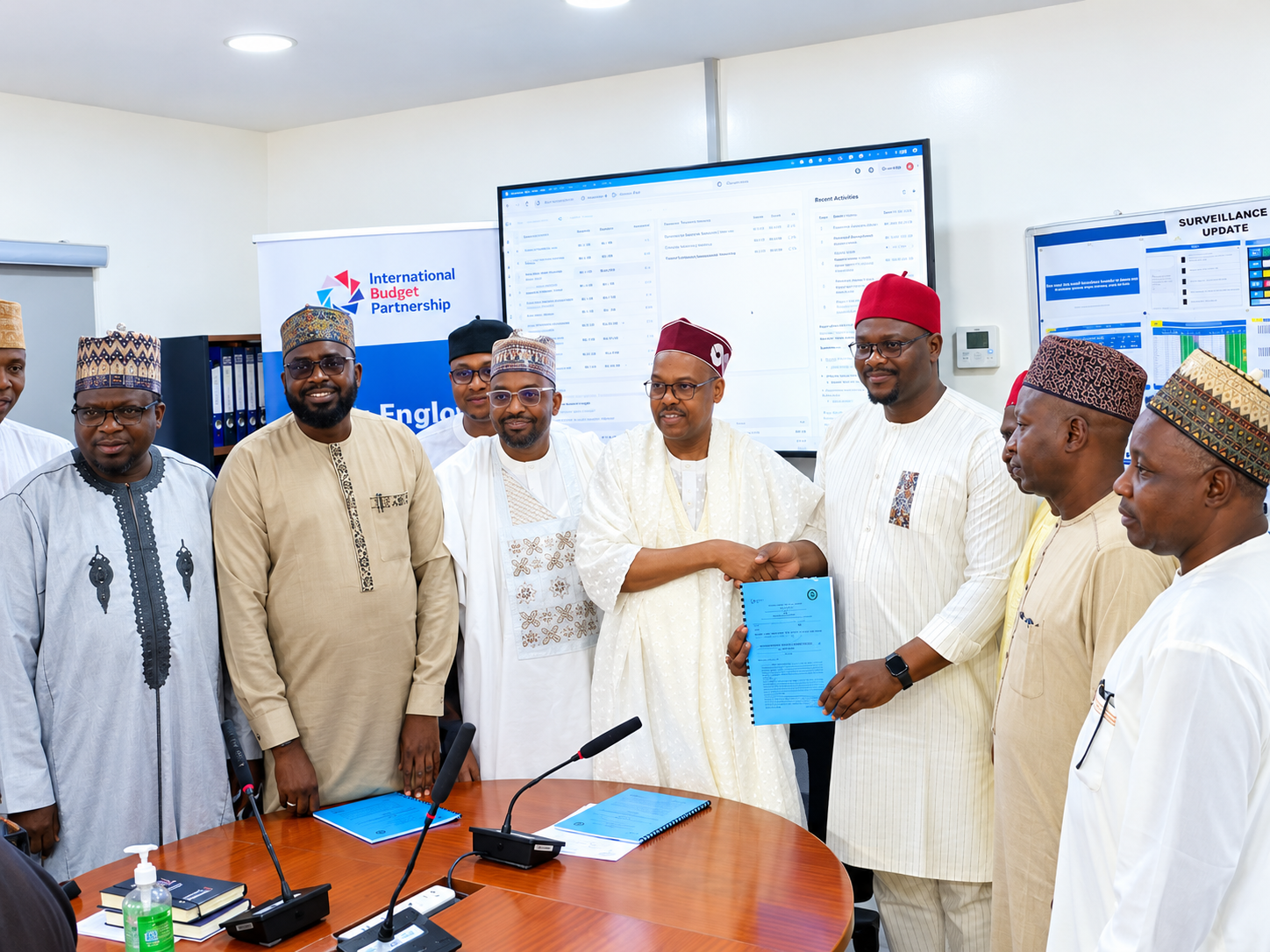
The International Budget Partnership (IBP), Nigeria, and the Kano State Government on Saturday in Kano signed a Memorandum of Understanding (MoU) to strengthen transparency and accountability in health sector financing.
The partnership will support the development of a health financing dashboard to enable stakeholders monitor budget planning, releases, expenditure and performance across health sector agencies in the state.
The Commissioner for Health, Dr Abubakar Labaran, said the partnership had brought significant improvements in budget planning, execution and tracking in the ministry.
Labaran said the dashboard would enable the ministry to monitor the performance of its various units and agencies in real time.
He said the state government would continue to work with IBP and other partners to improve budget performance, releases and other issues relating to health financing.
IBP Country Director, Dr Olayinka Babalola,
said the dashboard was aimed at improving transparency around health budgeting and providing a comprehensive picture of expenditure.
Represented by Policy and Strategy Lead, Onyekachi Chukwu, said Kano was already making significant investments in the health sector alongside development partners, but tracking where the funds were going had been a challenge.
According to him, the MoU will support the state in developing a health financing dashboard that will enable stakeholders to monitor expenditure by various agencies in the health sector.
He said the dashboard would also provide information on the full range of investments in the sector and show where the funds were being spent.
Babalola, said the platform would help stakeholders track reasons why certain health services were not being delivered.
He said the information would enable relevant authorities to identify gaps in service delivery and take appropriate measures to address them.
Dr Shamsuddin Sani, State Representative of the Gates Foundation in Kano, said the foundation was supporting the initiative to address longstanding challenges in monitoring fund flow within the health sector.
Sani said the project would particularly focus on primary healthcare service delivery and provide clearer information on resources coming into the sector.
He said over the years, the health sector in Kano had faced challenges in tracking the amount of funding coming into the system, how much was being spent and how much was not reaching the intended areas.
According to him, government and development partners working in the sector have not had a clear picture of the resources coming into the health system and how they are being utilised.
“With this project, we want to close that gap by ensuring that we know exactly how much resources are coming into the primary healthcare system and the broader health sector in the state,” he said.
Sani said the initiative would also help determine the resources required by the sector and compare government funding with contributions from development partners.
He said the grant for the project was conceived to address the identified gaps, adding that implementation began earlier in the year.
NAN reports that the dashboard is expected to provide stakeholders with timely information on health financing and expenditure to support better planning, monitoring and service delivery in the state.
About The Author
NAPHER-SD elects new executive members
Applauds BUK VC for support
By Ado Salisu
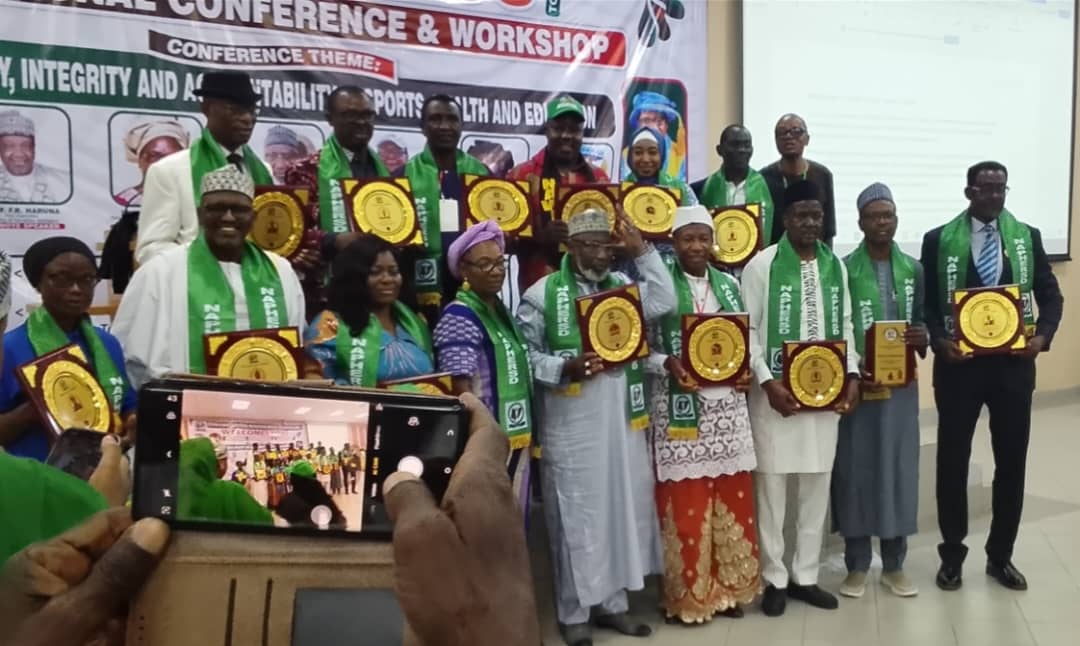
Nigerian Association for Physical, Health Education, Recreational, Sports and Dance NAPHER-SD has re-elected Professor Florence Bola Adeyanju for second term as it President.
The election was conducted during the association 54th annual conference and elective posts held at the Centre of Excellent, Bayero University Kano BUK.
Others re-elected include the immediate past Secretary General of Nigerian Football Federation NFF, Dr Sanusi Muhammad as first Vice President, Mr. Godspower Odedede, the second Vice President and Mr Igba Emmanuel will serve as Secretary.
The rest are Dr. Sylvester Ikuojemoye, Assistant Secretary, Dr. Joy Maiyaki, financial secretary, Professor Fraze Atare, treasurer, Dr. Ajibola Gbenga Samson, public relations officer, Dr. Musa H. Darma, Publication Secretary,
Dr Chijoke Okechukwu, auditor while Ex-officio 1 went to the chairman technical committee of Nigerian University Games Association NUGA and former chairman sports committee of Bayero University Kano BUK Professor Musa Garba Yakasai.
The conference and workshop witnessed a large turn out of members and some Vice Chancellors of Universities, researchers and observers across the country was declared open by the Vice Chancellor of Bayero University Kano BUK, Professor Haruna Musa, represented by Dr Abubakar Ibrahim Hassan.
Theme for this year’s is transparency, integrity and accountability in sports, health and education. Various papers were presented at the occasion.
Speaking shortly after the election, the re+elected president, professor Florence Bola Adeyanju expressed gratitude to the all members, pledging to continue to do her best towards the uplifting of the association in the country.
Commenting, the Ex-officio 1 and the chairman technical committee of Nigerian University Games Association NUGA, Professor Musa Garba Yakasai described the turn out of members as highly appreciated.
Professor Musa Garba Yakasai used the opportunity to thanks the BUK VC Prof Haruna Musa for supporting the association throughout the five-days conference.
About The Author

The Katsina State Government has received three upgraded Primary Health Care Centres (PHCs) from the United Nations Children’s Fund (UNICEF).
The facilities are the MCHC Bakiyawa in Batagarawa Local Government Area (LGA), Sabon Gari PHC in Daura LGA and Dandutse PHC in Funtua LGA.
Speaking at the handover on Thursday in Bakiyawa village, the UNICEF Health Manager, Kano Field Office, Dr Serekeberehan Seyoum, said the projects were implemented with support from the Global Fund.
Seyoum said UNICEF served as the implementing partner for the renovation and upgrading of the three facilities to improve access to quality primary health care services.
He said the successful completion of the projects would improve working conditions for health workers and enhance health outcomes, particularly for women, children and other vulnerable groups.
“The facilities are now ready to provide quality health services to their respective communities,” he said.
The UNICEF official said the formal handover transferred responsibility for the management, utilisation and maintenance of the facilities to the Katsina State Primary Health Care Development Agency.
He urged the state government and relevant authorities to ensure adequate staffing, provision of essential medical supplies and routine maintenance of the facilities.
Seyoum also called for the prompt commencement and sustenance of quality service delivery to enable communities to derive maximum benefits from the investment.
He commended the Katsina State Government, the State Primary Health Care Development Agency, local government authorities, community stakeholders and the Global Fund for their support and collaboration.
According to him, UNICEF remains committed to supporting the Katsina government in strengthening its health system and improving the well-being of residents.
“We are proud to hand over these upgraded facilities and look forward to seeing them serve as centres of quality health care for communities across Katsina State,” he said.
Earlier, the Executive Secretary of the Katsina State Primary Health Care Development Agency, Dr Shaumau Abba, commended UNICEF and the Global Fund for the intervention.
Abba assured that the agency, in collaboration with the respective local government councils, would provide the necessary equipment and personnel to ensure effective service delivery at the facilities.
She pledged that the agency would ensure that residents of the benefiting communities fully utilise and benefit from the upgraded health centres.
Also speaking, the Chairman of Batagarawa Local Government Council, Alhaji Yahaya Lawal-Kawo, represented by his Vice-Chairman, Abdulrahman Ahmad, pledged the council’s commitment to the protection and maintenance of the facility.
He assured that the council would work with relevant stakeholders to ensure that the people of the community benefited fully from the upgraded health centre.
The News Agency of Nigeria (NAN) reports that the intervention is expected to strengthen the delivery of essential health services at the grassroots and improve access to quality care in the benefiting communities.
About The Author

ABCOAD, UNESCO Partner to Boost Technical Skills in Rice Processing

2027: Gov Yusuf assures Tinubu of North support for his re-election

Nigerian Army honours 22 SNCOs after 35 years of meritorious service

JUST IN: FG Declares Sallah Public Holiday

Rahma Saidu Apologizes to Kano Government, Lauds PCACC’s Work

Refinery: NNPC Ltd Targets Sustained Production with New Maintenance & Compliance Measures
-
General3 years ago
JUST IN: FG Declares Sallah Public Holiday
-
 General2 years ago
Rahma Saidu Apologizes to Kano Government, Lauds PCACC’s Work
-
 Economy2 years ago
Refinery: NNPC Ltd Targets Sustained Production with New Maintenance & Compliance Measures
-

 Agriculture2 years ago
New HJRBDA boss outlines ambitious agenda for agricultural growth, youth empowerment
-

 News2 years ago
Choose dialogue over protest, Kano groups urge youths
-

 Agriculture2 years ago
FG trains laboratory technicians , technologists on soil health card scheme
-

 General2 years ago
ActionAid urges youths to harness digital technologies for development
-
 Entertainment3 years ago
Popular actor, Ali Nuhu appointed as MD Film Corporation