
Economy
FAAC: FG, States, LGCs Share N906bn In October


This is contained in a communique issued in Abuja after the FAAC retreat and meeting in Asaba.
The communique indicated that the N906.955 billion total distributable revenue comprised distributable statutory revenue of N305.070 billion, distributable Value Added Tax (VAT) revenue of N323.446 billion, and Electronic Money Transfer Levy (EMTL) revenue of N15.552 billion.
It also comprised Exchange Difference revenue of N202.887 billion and Augmentation of N60.000 billion.
The Communiqué said the total revenue of N1,346.519 trillion was available in the month of October 2023.
“Total deductions for cost of collection was N53.483 billion; total transfers, interventions, and refunds was N386.081 billion.
“Gross statutory revenue of N 660.090 billion was received for the month of October 2023. This was lower than the N1,014.953 billion received in the month of September 2023 by N354.863 billion.
“The gross revenue available from the Value Added Tax (VAT) was N347.343 billion. This was higher than the N303.550 billion available in the month of September 2023 by N43.793 billion,” the communique said.
It further said that from the N906.955 billion total distributable revenue, the Federal Government received a total of N323.355 billion, the state governments received N307.717 billion and the Local Government Councils (LGCs) received N225.209 billion.
“A total sum of N50.674 billion (13 percent of mineral revenue) was shared to the relevant states as derivation revenue.
“From the N305.070 billion distributable statutory revenue, the Federal Government received N147.574 billion, the state governments received N74.852 billion and the LGCs received N57.707 billion.
” The sum of N24.937 billion (13 percent of mineral revenue) was shared to the relevant states as derivation revenue.
“The Federal Government received N48.517 billion, the state governments received N161.723 billion and the LGCs received N113.206 billion from the N323.446 billion distributable VAT revenue.
“The N15.552 billion EMTL was shared as follows:
“The Federal Government received N2.333 billion, the state governments received N7.776 billion and the LGCs received N5.443 billion,” It said.
It said that the Federal Government received N93.323 billion from the N202.887 billion Exchange Difference revenue, while the state governments received N47.334 billion, and the LGCs received N36.493 billion.
“The sum of N25.737 billion (13 percent of mineral revenue) went to the relevant states as derivation revenue,” it said.
It explained that the augmentation of N60.000 billion was shared as follows:
“Federal Government received N31.608, the state governments received N16.032 billion and the LGCs received N 12.360 billion,” it said.
The communique said that Import Duty, Petroleum Profit Tax (PPT VAT, CET Levies, and EMTL increased significantly while Excise Duties and Companies Income Tax (CIT) recorded considerable decreases.
“Oil and Gas Royalties decreased marginally,” it said
About The Author


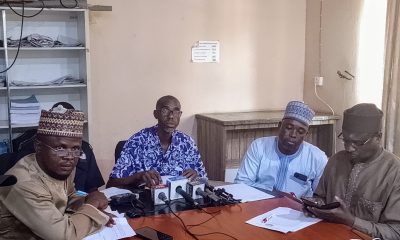



The Nestlé Milo Mai Shayi empowerment programme has continued to receive commendation from stakeholders in Kano, with beneficiaries describing the initiative as a major boost to their small-scale businesses.
The programme, aimed at supporting tea sellers with business tools and resources, provided participants with items including gas cookers, cups and other materials to enhance their daily operations.
Speaking during the programme in Kano, Kannywood actor, Yusuf Sulaiman Bosho, said the initiative would contribute to the growth of tea-selling businesses and improve the livelihoods of operators.
Bosho noted that many small businesses require support to expand, adding that providing essential working tools would encourage beneficiaries to increase productivity.
“Supporting them with tools such as gas cookers, cups and ingredients is really a motivation in their day-to-day businesses,” he said.
He urged other corporate organisations to emulate Nestlé Milo by introducing similar interventions that would support small businesses across the country.
Also speaking, Milo Ambassador, Mansura Isa, said the programme demonstrated the company’s commitment to supporting its customers, particularly those engaged in small-scale enterprises.
Isa encouraged the beneficiaries to make effective use of the materials provided to improve their businesses and create more opportunities within their communities.
She added that more initiatives were being planned by the company to support customers across Nigeria and other parts of Africa.
The Category Manager of Nestlé Milo, Mr Gilbert Teenaboah Koduah, said the company would continue to invest in programmes that promote socio-economic development among its customers.
Koduah explained that the intervention was part of efforts by the company to strengthen businesses and contribute to economic growth at the community level.
Some of the beneficiaries who spoke to our Correspondent expressed appreciation to Nestlé Milo for the support, saying the items would help them improve their services and increase their earnings.
They pledged to continue patronising the company’s products while maximising the opportunity provided through the empowerment programme.
The event featured the presentation of tea-selling equipment and other gifts to participants.
About The Author
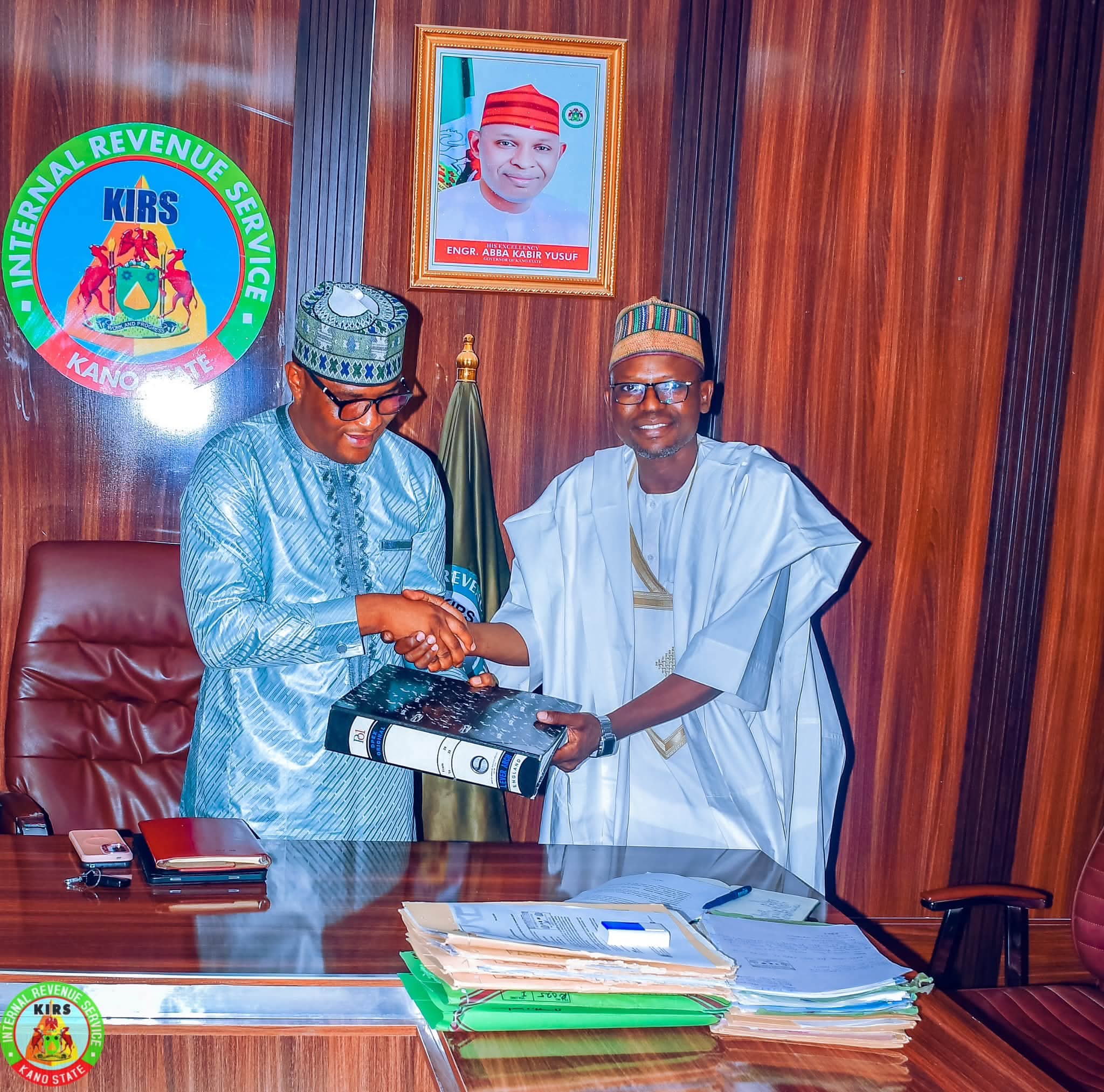
The newly appointed executive chairman, Kano State Internal Revenue Service (KIRS) Alhaji Bashir Maitama, has pledged to strengthen revenue generation through transparency, accountability, teamwork and innovation.
This is contained in a statement issued by the Head, Corporate Communications of KIRS, Aisha Maigiwa, on Tuesday in Kano.
The statement said the new chairman formally assumed office on Monday, July 20, 2026, following a handover ceremony from the Acting Executive Chairman, Mallam Muhammad Abba Aliyu.
Welcoming Maitama, Aliyu, who is also the Executive Director, Compliance and Enforcement Group, prayed for God’s guidance and wisdom for the new chairman.
He urged members of staff to give the new leadership maximum support and cooperation towards sustaining the growth of internally generated revenue in the state.
In his inaugural remarks, Maitama expressed gratitude to Almighty God for the opportunity to lead the agency, describing his assumption of office as a historic moment.
He appreciated Gov. Abba Kabir Yusuf for finding him worthy of the appointment, assuring the governor and people of Kano State of his commitment to delivering on the mandate entrusted to him.
The chairman said he was delighted to join a team of professionals who had contributed immensely to the progress of the Service.
He commended his predecessor for his efforts in strengthening KIRS, saying history would recognise his contributions to the development of the agency.
Maitama also appreciated the Service’s technical partner, Manam Professional Services, for its support towards the transformation of KIRS.
He described his appointment as a collective responsibility and called on management and staff to work together to achieve the objectives of the Service.
The new chairman assured workers of an open, transparent and inclusive leadership style anchored on accountability, teamwork and innovation.
He identified achieving revenue targets, expanding the tax net and deepening the state’s tax base as key priorities of his administration.
Maitama expressed confidence that the targets set for KIRS were achievable, urging staff to embrace creative ideas and innovative solutions in carrying out their responsibilities.
He added that his office would remain open to constructive suggestions and meaningful contributions from staff.
Also speaking, the Executive Director, Revenue Operations Group, Mallam Kassim Ismail, expressed confidence in Maitama’s ability to lead the Service to greater heights.
He pledged the support of his directorate towards achieving the mandate of KIRS.
The event ended with the formal handover of leadership from the Acting Executive Chairman to the newly appointed Executive Chairman.
About The Author
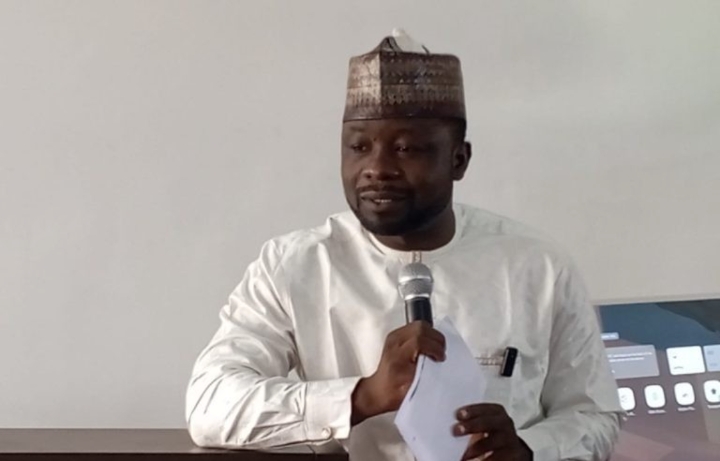
The Kano State Internal Revenue Service (KIRS) on Tuesday commissioned a new Compliance and Enforcement Office as part of efforts to strengthen tax administration and boost internally generated revenue across the state.
Speaking at the inauguration ceremony in Kano, KIRS Executive Chairman, Dr. Zaid Abubakar, said the office marked a major milestone in the ongoing reforms within the agency.
Dr. Abubakar disclosed that the service initially set a revenue target of N35 billion for the year but has now raised expectations for the compliance and enforcement department to deliver as much as N68 billion.
He said the newly commissioned office would provide staff with a conducive working environment to enhance efficiency and productivity.
“This office is a key component of our service. Previously, the compliance and enforcement team operated from a container facility, but today they now have a befitting environment to work effectively,” he said.
The chairman commended Kano State Governor, Abba Kabir Yusuf, for supporting the agency’s reforms and modernization efforts.
“We thank Governor Yusuf for all the political support given to the service. We are also grateful to our technical partners whose contributions have been commendable,” he added.
Dr. Abubakar highlighted a series of infrastructural and technological upgrades by the agency, including the commissioning of the Gyadi-Gyadi Tax Centre and a new call centre to improve taxpayer engagement and service delivery.
He further announced that another tax office in Nassarawa would be commissioned within two weeks to oversee municipal tax operations in the area.
The chairman also noted improvements in operational equipment and digital infrastructure.
He revealed that before the current administration, the agency had only 60 computers, but this number has now increased to over 300.
“We are providing all the necessary equipment for effective service delivery. I urge every staff member to take their responsibilities seriously,” he said.
Dr. Abubakar added that the state government was considering improved welfare packages for revenue service staff, including plans to remove staff remuneration from the mainstream civil service structure and align it with better-performing agencies in states such as Lagos.
“The state governor is committed to improving the welfare package of workers so it can match what is obtainable in states like Lagos,” he said.
Also speaking at the event, Director of Revenue Compliance, Muhammad Abba Aliyu, described the commissioning as a major opportunity for staff. He urged workers to adopt a renewed attitude toward their duties and maximise the benefits of the improved working environment.
“This is a golden opportunity for the compliance and enforcement staff. I urge all members to change their attitude from today and double their efforts,” he said.
A representative of Mannan Professional Services, the agency’s technical partners, expressed appreciation for being part of the initiative and voiced confidence that the compliance team would utilise the facility effectively.
In his remarks, Kano State Commissioner of Finance, Dr. Aliyu Danmaraya, represented by Permanent Secretary Amina Yusuf Yargaya, commended the revenue service for its efforts to improve tax compliance and promote state development.
He noted that effective revenue generation remains a key strategy for sustainable economic growth and infrastructure development in Kano State.
About The Author

SWAN Congress: Zahradeen Saleh Elected North-West VP as Benjamin Secures Second Term

Katsina govt. receives 3 PHCs renovated, upgraded by UNICEF

NAPPCOE elects Jogana as interim Chairman

JUST IN: FG Declares Sallah Public Holiday

Rahma Saidu Apologizes to Kano Government, Lauds PCACC’s Work

Refinery: NNPC Ltd Targets Sustained Production with New Maintenance & Compliance Measures
-
General2 years ago
JUST IN: FG Declares Sallah Public Holiday
-
 General1 year ago
Rahma Saidu Apologizes to Kano Government, Lauds PCACC’s Work
-
 Economy2 years ago
Refinery: NNPC Ltd Targets Sustained Production with New Maintenance & Compliance Measures
-

 Agriculture1 year ago
New HJRBDA boss outlines ambitious agenda for agricultural growth, youth empowerment
-

 News2 years ago
Choose dialogue over protest, Kano groups urge youths
-

 Agriculture2 years ago
FG trains laboratory technicians , technologists on soil health card scheme
-

 General2 years ago
ActionAid urges youths to harness digital technologies for development
-
 Entertainment3 years ago
Popular actor, Ali Nuhu appointed as MD Film Corporation