
Environment
Kano Govt calls for Action on TB, Neglected Tropical Diseases on World Leprosy Day


Kano State’s Commissioner for Health, Dr. Abubakar Labaran Yusuf, has marked the observance of World Leprosy and Neglected Tropical Disease (NTD) Day.
The goal of this day is to encourage parents to take proactive steps against tuberculosis and neglected tropical diseases in Kano State.
The Commissioner urged parents to bring children exhibiting symptoms of these diseases to testing centers across the state.
“This call to action is a vital step in combating these diseases and improving public health in Kano State,” he said.
Dr. Yusuf emphasized the Kano State Government’s commitment to the health sector, particularly in providing free testing and treatment for tuberculosis and neglected tropical diseases at designated health facilities across the state.
“We must collaborate to prevent the spread of tuberculosis and neglected tropical diseases,” Dr. Yusuf added.
“Early testing and treatment are crucial to saving lives and improving the well-being of our community.”
Dr. Yusuf also highlighted the importance of early diagnosis and treatment, as well as addressing the social and economic factors that contribute to the spread of these diseases.
Parents and guardians are advised to look for symptoms such as persistent cough, fever, weight loss, and skin lesions, and to seek immediate medical attention if they suspect their child may be infected.
“Kano State has made significant contributions to the health sector, particularly in providing free services to its citizens. Among these free services are:
- Free antenatal and postnatal care for mothers and newborns, ensuring healthy pregnancies and safe deliveries.
- Free tuberculosis testing facilities for early detection and treatment,” said Dr. Yusuf.
Additionally, under the leadership of Governor Alhaji Abba Kabir Yusuf, the state provides free medical care for leprosy patients and for individuals affected by neglected tropical diseases (NTDs), enabling access to free medical care and testing. This initiative aims to improve the quality of life for those affected.
These free services underscore Kano State’s commitment to enhancing the health and well-being of its people, particularly vulnerable populations.
January 30th marks World Leprosy and Neglected Tropical Disease Day, a day dedicated to ending the neglect of these treatable and preventable diseases, especially in Kano State.
About The Author







By Abbas Bamalli
The Katsina State Government, in collaboration with UNICEF, has commenced a three-day workshop aimed at strengthening flood preparedness and emergency response across the state.
The workshop, which began on Wednesday in Katsina, is being organised by the Katsina State Emergency Management Agency (SEMA) and the Katsina State Bureau of Statistics.
The Executive Secretary of SEMA, Hajiya Binta Dangani, said the initiative was designed to enhance disaster preparedness and build the resilience of communities vulnerable to flooding.
Dangani commended UNICEF for supporting the programme, describing the organisation as a dependable partner in strengthening disaster risk management and protecting the vulnerable communities across the state.
She said the workshop came at a critical period when flooding had continued to threaten lives, livelihoods, infrastructure and socio-economic activities in many parts of Katsina.
“Flooding remains one of the most devastating natural disasters affecting the state with recurring incidents leading to the displacement of families, destruction of farmlands, damage to public infrastructure and loss of economic assets.
“The 2026 flood outlook identified Katsina among the states at risk of flooding, with seven local government areas classified as high-risk zones.
“This underscores the need for proactive measures, effective coordination and comprehensive preparedness planning to minimise the impact of possible flood disasters,” Dangani said.
She said that the workshop would provide a platform for stakeholders to assess the causes of flooding, exchange experiences and develop practical strategies for effective preparedness and emergency response.
Dangani added that the expected outcome was the development of a strategic flood preparedness plan that would strengthen the state’s capacity to anticipate, prevent, mitigate and respond effectively to flood emergencies.
She reaffirmed SEMA’s commitment to coordinating disaster risk reduction, preparedness, response and recovery efforts through collaboration with government agencies, development partners, humanitarian organisations, community leaders and Local Emergency Management Committees (LEMCs).
She urged the participants to contribute actively to the discussions.
The Statistician-General of the state, Prof. Saifullahi Sani, said that available data showed that Katsina remained vulnerable to flooding and cholera outbreaks, stressing the need for stakeholders to act proactively rather than wait for disasters to occur.
He said that the 2026 seasonal flood outlook identified several areas in the state as high-risk zones.
He added that the Bureau’s 2025 WASH Survey indicated that about 38 per cent of rural households still relied on unprotected wells and surface water sources, making them susceptible to waterborne diseases after floods.
“Historical records from the Nigeria Centre for Disease Control (NCDC) and the state Ministry of Health also showed that cholera cases usually surged between two and four weeks after major flood incidents.
“The data is no longer asking whether floods will occur; it is telling us where and when. What remains is for us to determine how best to respond through effective planning and coordination,” he said.
Mrs Margaret Adaba-Soyemi, the Social and Behaviour Change Officer for Emergencies (Public Health Emergencies and Humanitarian Action) at UNICEF, reaffirmed the agency’s commitment to supporting Katsina in strengthening emergency preparedness and response systems to protect vulnerable populations, particularly children and women.
She described preparedness as one of the most cost-effective and life-saving investments.
She noted that robust risk analysis, early warning systems, coordinated response mechanisms and timely action were essential to reducing the impact of floods, cholera outbreaks and other humanitarian emergencies.
Adaba-Soyemi urged participants to maximise the three-day training by sharing experiences and strengthening collaboration across sectors.
She expressed the confidence that the workshop would enhance the state’s capacity to anticipate, prepare for and effectively respond to future emergencies.
NAN
About The Author
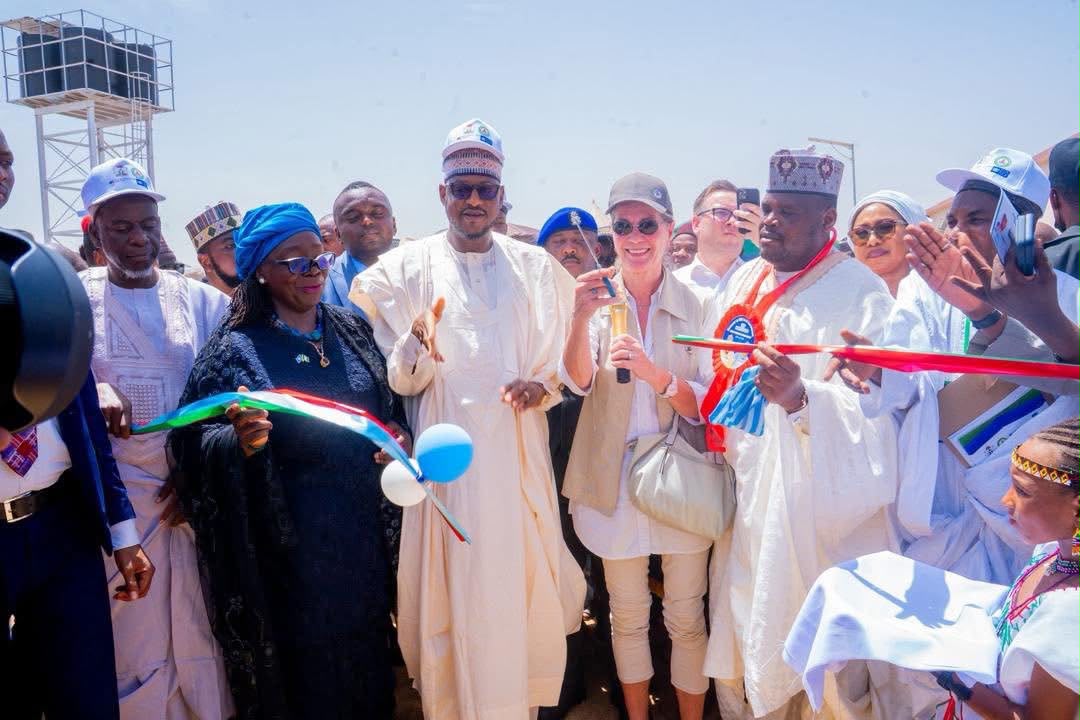
The Special Adviser on Climate Change to the Katsina State Government, Prof. Mohammed Al-Amin, says Gov. Dikko Radda’s climate action policies are transforming climate-induced conflicts into opportunities for peace, economic growth and environmental restoration.
Al-Amin stated this in a feature highlighting the impact of the newly inaugurated Jibia Climate Peace Hub, describing it as a model for addressing the link between climate change, insecurity and poverty in North-West Nigeria.
According to him, the hub, established through a partnership involving the Katsina State Government, the United Nations Development Programme (UNDP) and the Government of Norway, is already helping to reduce tensions between farmers and herders while creating new economic opportunities for residents.
He said the initiative was part of Radda’s climate-security agenda aimed at tackling the root causes of banditry and communal conflicts through sustainable livelihoods and improved management of natural resources.
“Climate change is the silent fuel of banditry and farmer-herder clashes. When pastures disappear and water becomes scarce, conflicts emerge.
“The Jibia Climate Peace Hub provides practical solutions through dialogue, skills acquisition and climate-smart agriculture,” he quoted the governor as saying.
Al-Amin noted that the governor had elevated climate change to a cabinet-level priority by creating the Office of the Special Adviser on Climate Change, making Katsina one of the few states in Nigeria with a structured climate governance framework.
He added that the state government backed its commitment with substantial funding, including over N8 billion allocated to climate adaptation, erosion control, watershed management, afforestation and early warning systems in the 2025 budget.
The adviser explained that one of the hub’s major achievements was the establishment of a conflict-resolution mechanism where farmers and herders meet regularly to resolve disputes over land, grazing routes and water resources before they escalate into violence.
He said the programme had also trained hundreds of farmers on climate-smart agricultural practices, including drought-resistant farming, soil conservation and the use of weather information for farm planning.
According to him, similar climate adaptation training programmes are being implemented across several local government areas to improve food security and strengthen community resilience.
Al-Amin further said the hub was empowering youths and women through vocational training in solar energy installation, entrepreneurship and financial literacy, reducing unemployment and vulnerability to recruitment by criminal groups.
He noted that the state government was simultaneously pursuing large-scale afforestation projects, including the planting of 35,000 fruit trees in each local government area, school-based tree planting campaigns and landscape restoration programmes under the Dikko Greens initiative.
The adviser said Katsina’s climate interventions had attracted growing international recognition, positioning the state as a reference point for climate-security programming in the Sahel region.
He explained that the Jibia Climate Peace Hub combines technical support from UNDP, funding from the Norwegian Government and operational backing from the Katsina State Government to deliver climate resilience and peacebuilding outcomes.
Al-Amin quoted the governor as saying that the success recorded in Jibia had encouraged plans to replicate the model in other frontline local government areas affected by environmental degradation and insecurity.
He said the visible signs of progress included improved community relations, returning displaced families, revitalised economic activities and increased cooperation among resource users.
According to him, the Jibia experience demonstrates that climate action can serve as a powerful tool for promoting peace, restoring livelihoods and strengthening security in vulnerable communities.
About The Author

The Federal Government says it will strengthen and review existing laws on the protection of endangered species to curb their rapid extinction across the country.
Dr Ama Moses, Director of Forestry Department, Federal Ministry of Environment, disclosed this on Friday in Kano during a two-day workshop on Reducing Demand for Vultures in Traditional Medicine Practices.
The workshop was organised by the ministry in collaboration with the Nigerian Conservation Foundation (NCF).
Represented by Tijjani Ahmad Zakirai, Moses said the bill had been passed by both chambers of the National Assembly and would be signed into law soon.
“When enacted, the legislation will prescribe stiffer penalties for those involved in hunting endangered species, and will serve as a tool to curb wildlife trade,” he said.
He said the Federal Government had taken several measures to address the menace, including the development of a National Vulture Conservation Plan aimed at reversing the declining population of vultures.
Other measures include nationwide awareness, education and sensitisation campaigns as well as stakeholder engagement on the ecological importance of vultures.
Also speaking, the Director-General of NCF, Dr Joseph Onoja, represented by the Species Programme Lead, Dr Stella Egbe, said the forum provided an opportunity to promote vulture conservation efforts across the country.
In his welcome address, NCF Northern Zonal Coordinator, Alhaji Garba Boyi, said the engagement aimed to bring stakeholders together to strategise on reducing threats to endangered species.
Special Adviser to Gov. Abba Kabir Yusuf of Kano State on Wildlife Conservation, Alhaji Ahmad Sawaba, said the state government was honoured to host the event, which was aimed at protecting endangered species nationwide.
A traditional herbalist, Sani Tsamiya Babba (Sarkin Shimfida), explained the traditional medicinal use of vultures, stressing the need for public enlightenment on alternatives.
This paper reports that the workshop, themed Reducing the Demand for Vultures in Belief-Based Use Practices, drew participants from traditional healers, herbal medicine practitioners, conservation groups, NGOs, government agencies and the media.
It also featured paper presentations and discussions on conservation strategies.
About The Author

ABCOAD, UNESCO Partner to Boost Technical Skills in Rice Processing

2027: Gov Yusuf assures Tinubu of North support for his re-election

Nigerian Army honours 22 SNCOs after 35 years of meritorious service

JUST IN: FG Declares Sallah Public Holiday

Rahma Saidu Apologizes to Kano Government, Lauds PCACC’s Work

Refinery: NNPC Ltd Targets Sustained Production with New Maintenance & Compliance Measures
-
General3 years ago
JUST IN: FG Declares Sallah Public Holiday
-
 General2 years ago
Rahma Saidu Apologizes to Kano Government, Lauds PCACC’s Work
-
 Economy2 years ago
Refinery: NNPC Ltd Targets Sustained Production with New Maintenance & Compliance Measures
-

 Agriculture2 years ago
New HJRBDA boss outlines ambitious agenda for agricultural growth, youth empowerment
-

 News2 years ago
Choose dialogue over protest, Kano groups urge youths
-

 Agriculture2 years ago
FG trains laboratory technicians , technologists on soil health card scheme
-

 General2 years ago
ActionAid urges youths to harness digital technologies for development
-
 Entertainment3 years ago
Popular actor, Ali Nuhu appointed as MD Film Corporation