
Economy
Alternative Bank, UK government launch women-dominated commercial tricycles in Kano


In a groundbreaking move that transforms transportation and enhances the security of women, Kano State witnessed the launch of a first-of-its-kind electric tricycle program.
The Alternative Bank, in collaboration with the UK government’s Foreign, Commonwealth and Development Office (FCDO) and Qoray Mobility, unveiled this innovative social impact initiative, providing women with fully electric tricycles and comprehensive training.
This project flips the script on traditional transportation in Kano and marks a new chapter for the expertly trained women ready to navigate the city’s streets.
With 120 women from the Mata Zalla and Yar Baiwa cooperatives having undergone comprehensive training, they are now proficient tricycle drivers and mechanics.
These electric tricycles enable women to generate income by providing local transportation services and operating small delivery businesses.
“This initiative is a double win,” declared Alhaji Garba Mohammed, Executive Director of The Alternative Bank.
“Our electric tricycles are designed to address significant concerns regarding the safety of female passengers and children while at the same time safeguarding the environment.”
While elaborating the benefits of the electic tricylcles, Mohammed said: “Unlike traditional petrol-powered tricycles which contribute to pollution and are costly to operate due to rising fuel prices, our electric tricycles reduce carbon emissions and promote a cleaner, healthier environment.
This aligns perfectly with The Alternative Bank’s commitment to both community well-being and environmental responsibility.”
Adamu Maikano, Regional Coordinator of Kaduna and Kano State for the UK’s FCDO, highlighted the broader impact of the initiative, stating: “The UK government, a longstanding ally of Nigeria, is committed to facilitating investment, trade, and economic development.
The launch of this EV project is evidence that partnerships truly work when all parties remain focused on a mutual goal.”
Emphasizing the collaborative effort in facilitating the pilot of this EV project, Maikano said: “The UK’s FCDO-funded LINKS programme, worked with two women’s cooperatives in Kano – Mata Zalla and Yar Baiwa, The Alternative Bank, and the Kano Road Traffic Agency, to train 85 women, including the certification of 30 mechanics, and provision of essential tools.
The UK’s FCDO also supported the cooperatives with a two-year lease for the service center, and equipped them with battery recharging infrastructure.”
Explaining further, he said: “The project addresses challenges women face with traditional tricycles, including instances of violence. Having female owners and operators of the e-tricycles offers added comfort and security to women passengers who have no choice but to use tricycles for transportation,and equally offers the potential to lower greenhouse gas emissions significantly.”
Olabanjo Alimi, the Head of Qoray Mobility, expressed pride in the initiative and optimism about expanding the pilot program and improving its electric vehicles. He highlighted a recent launch in Victoria Island, Lagos, where locally built charging stations were introduced.
Reflecting on Qoray’s history, Alimi emphasized the company’s vision for the future of urban transportation—one with reduced pollution, lower transportation costs, and a strong commitment to the local community.
He remarked, “Unlike traditional petrol-powered tricycles that contribute to pollution and incur high operating costs due to rising fuel prices, these electric tricycles are designed to reduce carbon emissions and promote a cleaner, healthier environment.”
Alimi, a Kano native, concluded by thanking The Alternative Bank for its support and highlighting Qoray’s vision: “a future with cleaner air, lower transportation costs, and a thriving local community.”
This initiative signifies a transformative step towards a more sustainable and secure transportation system for women in Kano State. The Alternative Bank, along with its partners, is dedicated to continuing this momentum and expanding the program to create more opportunities for women across Nigeria
About The Author



The Executive Chairman, Kano State Internal Revenue Service (KIRS), Alhaji Bashir Maitama has urged taxpayers to pay their taxes correctly and as when due.
Maitama made the call while speaking in Kano on Wednesday during the Customer Service Week of the service.
He said the celebration provided an opportunity for the agency to appreciate taxpayers for their contributions to the development of the state.
The chairman described taxpayers as important stakeholders whose contributions were valued by the agency and the state government.
Maitama said KIRS’ digital tax platforms had made tax payment easier, adding that the agency was committed to resolving challenges experienced by taxpayers.
He urged taxpayers facing difficulties with the platforms to contact the agency for prompt assistance.
On revenue performance, the chairman said KIRS had recorded significant improvement in its collections and expressed confidence that it would meet the revenue target set by the state government.
He said the agency would continue to promote voluntary compliance and expand the tax net by bringing more eligible taxpayers into the system.
“There are many people doing businesses who are not yet in the tax net. We want to ensure that more taxpayers are captured and encouraged to comply voluntarily,” he said.
The chairman explained that the digitization of KIRS operations was aimed at blocking revenue leakages, improving transparency and simplifying tax payment.
He said the agency would continue to adopt technology to improve efficiency, revenue collection and service delivery.
Maitama, therefore, urged taxpayers to fulfil their tax obligations promptly and correctly.
Earlier, The Executive Director, Revenue Operations, (KIRS), Kasim Ismael urged taxpayers to pay their taxes correctly and as when due, describing tax payment as essential to the development of the state.
He said taxes were an important source of revenue for the government to provide essential services, maintain institutions and promote peace and development.
The executive director also called for improved cooperation between the agency and taxpayers to strengthen compliance and revenue generation in the state.
Speaking also, Mr Michael Daniel, who spoke on behalf of the customers, said that taxpayers appreciated the efforts of KIRS in improving its services and strengthening its relationship with taxpayers.
He urged the agency to sustain its commitment to transparency, professionalism and efficient service delivery, saying improved customer service would encourage more people to comply with their tax obligations.
NAN
About The Author

The Nestlé Milo Mai Shayi empowerment programme has continued to receive commendation from stakeholders in Kano, with beneficiaries describing the initiative as a major boost to their small-scale businesses.
The programme, aimed at supporting tea sellers with business tools and resources, provided participants with items including gas cookers, cups and other materials to enhance their daily operations.
Speaking during the programme in Kano, Kannywood actor, Yusuf Sulaiman Bosho, said the initiative would contribute to the growth of tea-selling businesses and improve the livelihoods of operators.
Bosho noted that many small businesses require support to expand, adding that providing essential working tools would encourage beneficiaries to increase productivity.
“Supporting them with tools such as gas cookers, cups and ingredients is really a motivation in their day-to-day businesses,” he said.
He urged other corporate organisations to emulate Nestlé Milo by introducing similar interventions that would support small businesses across the country.
Also speaking, Milo Ambassador, Mansura Isa, said the programme demonstrated the company’s commitment to supporting its customers, particularly those engaged in small-scale enterprises.
Isa encouraged the beneficiaries to make effective use of the materials provided to improve their businesses and create more opportunities within their communities.
She added that more initiatives were being planned by the company to support customers across Nigeria and other parts of Africa.
The Category Manager of Nestlé Milo, Mr Gilbert Teenaboah Koduah, said the company would continue to invest in programmes that promote socio-economic development among its customers.
Koduah explained that the intervention was part of efforts by the company to strengthen businesses and contribute to economic growth at the community level.
Some of the beneficiaries who spoke to our Correspondent expressed appreciation to Nestlé Milo for the support, saying the items would help them improve their services and increase their earnings.
They pledged to continue patronising the company’s products while maximising the opportunity provided through the empowerment programme.
The event featured the presentation of tea-selling equipment and other gifts to participants.
About The Author
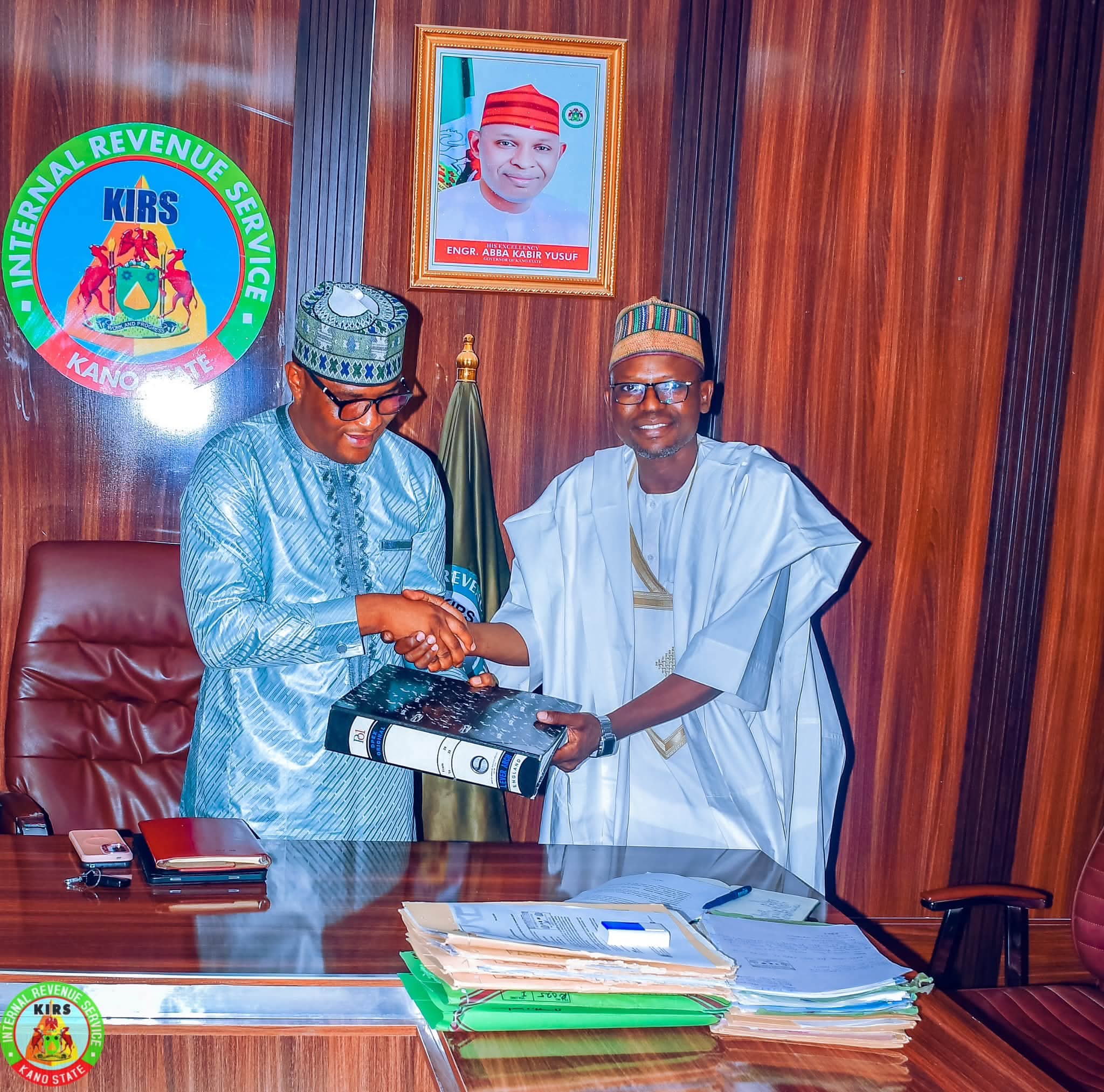
The newly appointed executive chairman, Kano State Internal Revenue Service (KIRS) Alhaji Bashir Maitama, has pledged to strengthen revenue generation through transparency, accountability, teamwork and innovation.
This is contained in a statement issued by the Head, Corporate Communications of KIRS, Aisha Maigiwa, on Tuesday in Kano.
The statement said the new chairman formally assumed office on Monday, July 20, 2026, following a handover ceremony from the Acting Executive Chairman, Mallam Muhammad Abba Aliyu.
Welcoming Maitama, Aliyu, who is also the Executive Director, Compliance and Enforcement Group, prayed for God’s guidance and wisdom for the new chairman.
He urged members of staff to give the new leadership maximum support and cooperation towards sustaining the growth of internally generated revenue in the state.
In his inaugural remarks, Maitama expressed gratitude to Almighty God for the opportunity to lead the agency, describing his assumption of office as a historic moment.
He appreciated Gov. Abba Kabir Yusuf for finding him worthy of the appointment, assuring the governor and people of Kano State of his commitment to delivering on the mandate entrusted to him.
The chairman said he was delighted to join a team of professionals who had contributed immensely to the progress of the Service.
He commended his predecessor for his efforts in strengthening KIRS, saying history would recognise his contributions to the development of the agency.
Maitama also appreciated the Service’s technical partner, Manam Professional Services, for its support towards the transformation of KIRS.
He described his appointment as a collective responsibility and called on management and staff to work together to achieve the objectives of the Service.
The new chairman assured workers of an open, transparent and inclusive leadership style anchored on accountability, teamwork and innovation.
He identified achieving revenue targets, expanding the tax net and deepening the state’s tax base as key priorities of his administration.
Maitama expressed confidence that the targets set for KIRS were achievable, urging staff to embrace creative ideas and innovative solutions in carrying out their responsibilities.
He added that his office would remain open to constructive suggestions and meaningful contributions from staff.
Also speaking, the Executive Director, Revenue Operations Group, Mallam Kassim Ismail, expressed confidence in Maitama’s ability to lead the Service to greater heights.
He pledged the support of his directorate towards achieving the mandate of KIRS.
The event ended with the formal handover of leadership from the Acting Executive Chairman to the newly appointed Executive Chairman.
About The Author

ABCOAD, UNESCO Partner to Boost Technical Skills in Rice Processing

2027: Gov Yusuf assures Tinubu of North support for his re-election

Nigerian Army honours 22 SNCOs after 35 years of meritorious service

JUST IN: FG Declares Sallah Public Holiday

Rahma Saidu Apologizes to Kano Government, Lauds PCACC’s Work

Refinery: NNPC Ltd Targets Sustained Production with New Maintenance & Compliance Measures
-
General3 years ago
JUST IN: FG Declares Sallah Public Holiday
-
 General2 years ago
Rahma Saidu Apologizes to Kano Government, Lauds PCACC’s Work
-
 Economy2 years ago
Refinery: NNPC Ltd Targets Sustained Production with New Maintenance & Compliance Measures
-

 Agriculture2 years ago
New HJRBDA boss outlines ambitious agenda for agricultural growth, youth empowerment
-

 News2 years ago
Choose dialogue over protest, Kano groups urge youths
-

 Agriculture2 years ago
FG trains laboratory technicians , technologists on soil health card scheme
-

 General2 years ago
ActionAid urges youths to harness digital technologies for development
-
 Entertainment3 years ago
Popular actor, Ali Nuhu appointed as MD Film Corporation