
General
MTN Foundation, NDLEA, UNODC lead anti-drug awareness walk in Kano


MTN Nigeria Foundation, in collaboration with the National Drug Law Enforcement Agency (NDLEA), on Saturday led an anti-drug sensitisation walk in Kano, as part of efforts to raise youth awareness and discourage substance abuse.
The exercise, tagged MTN Anti-Drug Abuse Walk, also featured students, civil society organisations, and other stakeholders.
Participants, who dressed in branded T-shirts, carried placards with messages such as “Say No to Drugs,” “Addiction Starts With One Wrong Choice,” “Highness No Be Steeze,” and “Healthy Body, and Healthy Mind – No Drugs.
The participants walked to and from Bayero University’s old campus, passing through Kano State Polytechnic.
Speaking at the event, Aliyu Abu-Sufyan, Senior Manager at MTN Nigeria, said the initiative was organised in partnership with NDLEA, the United Nations Office on Drugs and Crime (UNODC), and student groups.
He said that the aim was to engage the public on the dangers of drug abuse and to encourage collective action.
“MTN Foundation remains committed to education, empowerment, and partnerships with relevant stakeholders to fight drug abuse among young people,” he said.
“This advocacy walk is not only to raise awareness but also to call on communities to unite against substance abuse,” he added.
Abu-Sufyan said the foundation’s Anti-Substance Abuse Programme (ASAP), launched in 2019, had reached more than 91 million Nigerians, including 27,000 students and 450 teachers in 65 secondary schools across 12 states.
He said that in 2024, the foundation, in collaboration with NDLEA’s 24/7 psychosocial support desk, provided counselling to about 4,000 individuals.
“We are targeting training for over 86,000 students and 1,500 teachers in another 12 states this year,” he added.
Also speaking, Mr Edward Fagbohun, Senior Manager, Programme Implementation at the MTN Foundation, said “the campaign primarily targets young people aged between 10 and 25.
“We know that if we are able to discourage them from substance use, we will be building a society free from drug addiction.
“That’s why our yearly sensitisation, in partnership with NDLEA and UNODC, is focused on reaching youths across the country,” he said.
Fagbohun said similar awareness campaigns were being held simultaneously in Lagos, Enugu and Abuja.
“We are also organising training for teachers and students in selected schools across the country on the dangers of drug and substance abuse,” he added.
In his remarks, the NDLEA Deputy Commander in charge of Operations and Training in Kano, Mr Dahiru Yahya, said the prevalence of drug abuse in the state was partly due to its large population.
He said the walk was part of NDLEA’s activities to commemorate the 2025 International Day Against Drug Abuse and Illicit Trafficking.
According to him, the theme for this year’s World Drug Day is: “The Evidence is Clear: Invest in Prevention.”
“To invest in prevention, we must break the chain of production, supply and use of drugs.
“Everyone knows the effects of drug abuse the damage it causes to individuals and society.
“Banditry, kidnapping, and mass failure in academic examinations are all linked to drug abuse,” he said.
Yahya commended MTN Foundation for partnering with the NDLEA to achieve a drug-free society.
NAN
About The Author





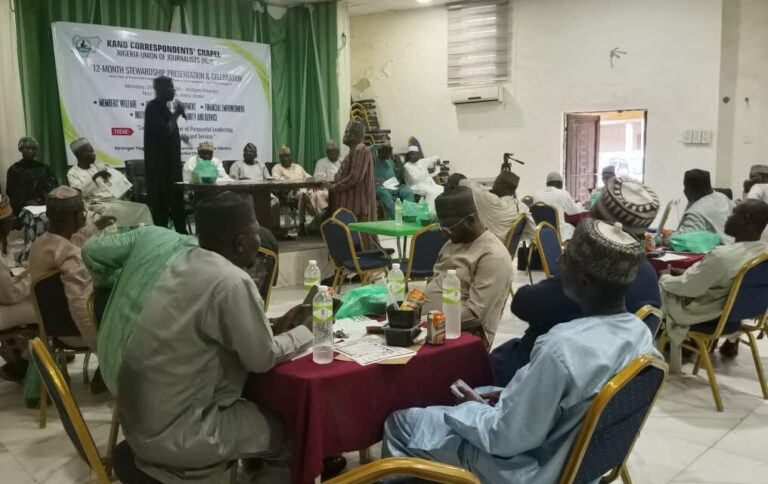
The leadership of the Correspondents’ Chapel of the Kano State Council of the Nigeria Union of Journalists (NUJ) has marked its one year in office with the public presentation of its stewardship report.
The report, presented by the Chairman of the chapel, Alhaji Murtala Adewale, at the NUJ Press Centre, Kano, highlighted achievements in welfare, professional development and institutional reforms.
According to Adewale, members’ welfare was prioritised, with ₦500,000 direct support to 10 members, ₦8.5 million loan facilities, two Hajj slots, ₦2 million medical intervention for a member, and Ramadan food distribution worth ₦2.5 million.
He said the executive also secured an additional ₦30,000 monthly allowance for members, bringing total direct financial benefits to ₦9.5 million within the year under review.
On professional development, the chairman listed initiatives such as the Tea Break Platform for networking, a four-day retreat in Kaduna, and the Distinguished Awards of Excellence to honour veteran journalists and past leaders.
The chapel also established a Cooperative Society with ₦10 million capital, installed an Olympic-standard table tennis facility, and produced a Government Compendium showcasing Kano State’s development strides.
Office improvements included unlimited 5G internet, DSTV subscription, a cleaner for the premises, procurement of an electric kettle, reactivation of the chapel’s bank account, creation of an official Facebook page, and provision of refreshments for members.
Adewale attributed the achievements to members’ unity and commitment, pledging to consolidate the gains with more programmes to enhance welfare, strengthen ethics and build capacity.
The event was attended by senior journalists, media executives, academics, government representatives and professional bodies, who commended the chapel for institutionalising accountability through the public presentation of its scorecard.
About The Author
General
Kano Line Resuscitation Committee Chairman Felicitates Gov. Abba Kabir Yusuf on Third-Year in Office
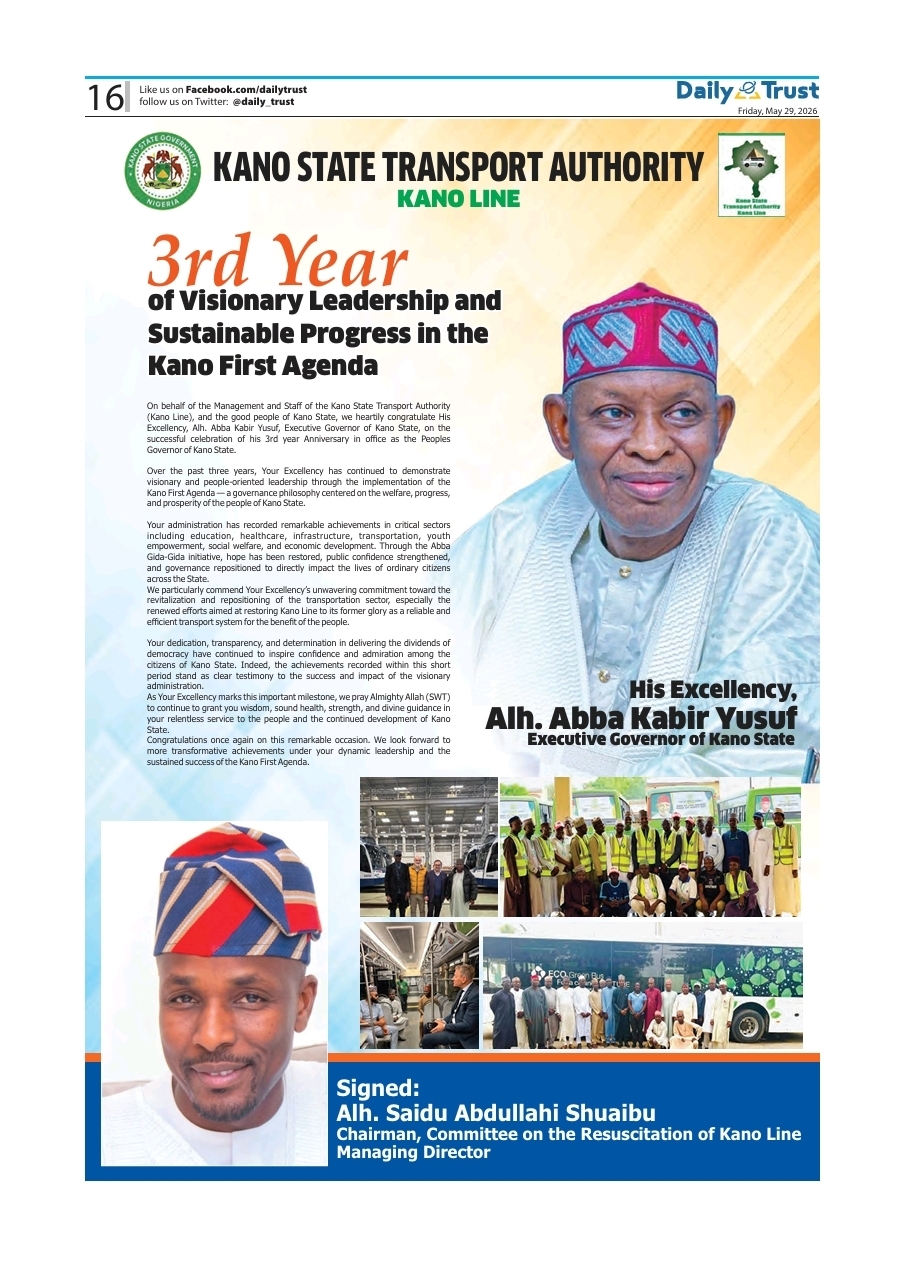
The Chairman of the Kano Line Resuscitation Committee, Alh. Saidu Abdullahi Shu’aibu, has congratulated the Executive Governor of Kano State, His Excellency, Alh. Abba Kabir Yusuf, on the occasion of his third year anniversary in office.
In a congratulatory message, Alh. Saidu Abdullahi Shuaibu described the administration of Governor Alh. Abba Kabir Yusuf as purposeful, people-oriented and committed to restoring the lost glory of Kano State across various sectors.
He particularly commended the Governor for his unwavering support and commitment toward the revitalization of Kano Line, nothing that the ongoing reforms and investment in the transportation sector have rekindled hope among workers and the people of the state.
According to him, the efforts of the present administration in improving infrastructure, enhancing public transportation, empowering youths, supporting education, healthcare and promoting economic growth have continued to earn the confidence and support of the people in line with the “Kano First Agenda”.
Alh. Saidu Abdullahi Shuaibu further prayed for Almaighty Allah continued guidance, wisdom and protection upon Governor Alh. Abba Kabir Yusuf as he continues to steer the affairs of Kano State toward greater development and prosperity.
He reaffirmed the commitment of the Kano Line Resuscitation Committee to support the administration’s vision of transforming the transportation sector for the benefit of the people of Kano State.
About The Author
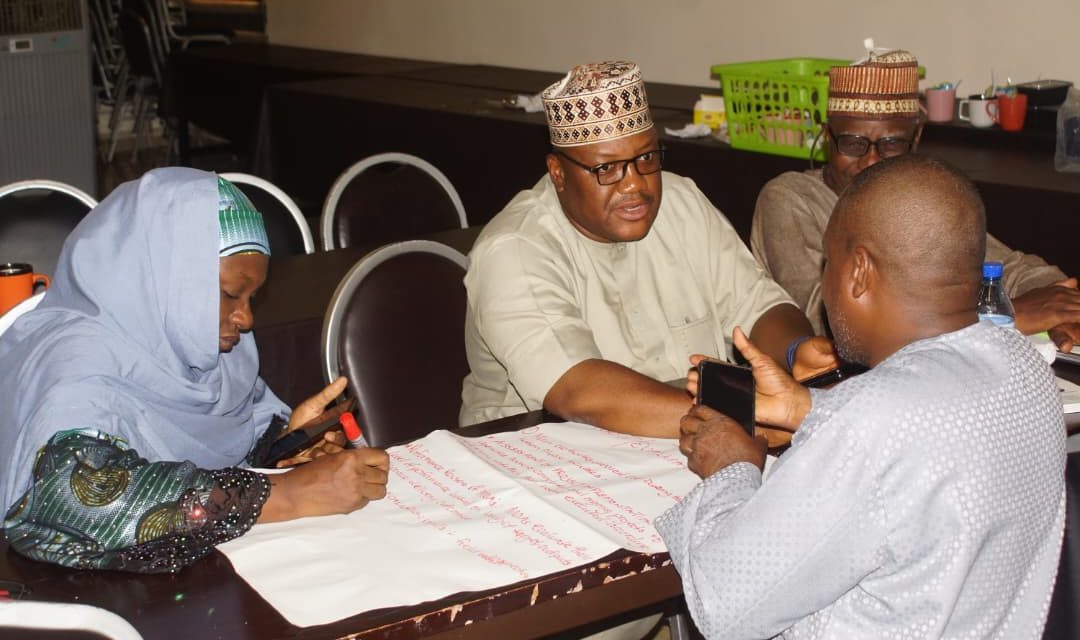
The Civil Society – Scaling Up Nutrition in Nigeria (CS-SUNN) has organized a two-day capacity-building workshop for stakeholders in Kano State on the use of the National Nutrition Budget Tracking System (NNBTS).
The training, held at Tahir Guest Palace, brought together key actors in the health and nutrition sector to enhance accountability and strengthen nutrition financing across the state.
During a presentation titled “Overview of Nutrition Financing in Nigeria: State Trend Analysis Review”, CS-SUNN official Jibrin Okpaji stressed that government interventions at all levels are vital for tackling malnutrition and its associated challenges.
Okpaji noted that sustained investment in nutrition is essential for improving public health and reducing preventable deaths among vulnerable populations.
He emphasized the need for stakeholders to acquire the technical expertise to effectively use the NNBTS, which would bolster advocacy for increased budgetary allocations and promote transparency in resource management.
Abdulrahman Abdullahi, Secretary of CS-SUNN Katsina State Chapter, described the NNBTS platform as a key tool for evidence-based planning, monitoring, and accountability in nutrition programs.
The training featured live demonstrations of the portal, practical exercises on data entry and reporting, and the generation of scorecards, analytical reports, and policy briefs using sample data.
Participants also developed state-level implementation frameworks and action plans for the effective adoption of the system.
In his goodwill message, CS-SUNN Kano Coordinator Salman Mohammad urged participants to fully utilize the training to achieve its objectives.
Stakeholders described the workshop as timely and crucial for strengthening nutrition governance and improving coordination among actors in Nigeria’s nutrition ecosystem under initiatives led by CS-SUNN and its partners.
About The Author

ABCOAD, UNESCO Partner to Boost Technical Skills in Rice Processing

2027: Gov Yusuf assures Tinubu of North support for his re-election

Nigerian Army honours 22 SNCOs after 35 years of meritorious service

JUST IN: FG Declares Sallah Public Holiday

Rahma Saidu Apologizes to Kano Government, Lauds PCACC’s Work

Refinery: NNPC Ltd Targets Sustained Production with New Maintenance & Compliance Measures
-
General3 years ago
JUST IN: FG Declares Sallah Public Holiday
-
 General2 years ago
Rahma Saidu Apologizes to Kano Government, Lauds PCACC’s Work
-
 Economy2 years ago
Refinery: NNPC Ltd Targets Sustained Production with New Maintenance & Compliance Measures
-

 Agriculture2 years ago
New HJRBDA boss outlines ambitious agenda for agricultural growth, youth empowerment
-

 News2 years ago
Choose dialogue over protest, Kano groups urge youths
-

 Agriculture2 years ago
FG trains laboratory technicians , technologists on soil health card scheme
-

 General2 years ago
ActionAid urges youths to harness digital technologies for development
-
 Entertainment3 years ago
Popular actor, Ali Nuhu appointed as MD Film Corporation